The check-engine light causes more anxiety per square inch than anything else on the dashboard, mostly because it is vague. It can mean a loose gas cap or a failing catalytic converter, and the car often drives exactly the same either way. In North Carolina there is an added pressure: in Mecklenburg County a lit check-engine light is an automatic emissions inspection failure, so ignoring it has a deadline attached whether you feel it or not.
The calm approach is a sequence. The light is the car's computer reporting that one of its self-tests failed, and it stores a code naming the system involved. Read the situation in order, handle the one free fix yourself, and let a code reading turn a vague worry into a specific conversation.
Steady light versus flashing light
A steady light means a fault has been recorded and the car can generally be driven normally while you arrange a diagnosis. It is not an emergency, but it is not nothing, either. Some faults, left running, damage expensive parts. A misfire that feels minor can dump unburned fuel into the exhaust and overheat the catalytic converter, which is one of the priciest parts on the car. Steady means schedule it this week, not this season.
A flashing light is the one true dashboard emergency short of oil pressure or temperature. Flashing means an active, severe misfire happening right now. Slow down, avoid hills and heavy loads, and get the car to a shop as directly as you can. Continuing to drive on a flashing light is how a repair that might have been plugs or a coil becomes a converter replacement as well.
- Note what the car is doing. Rough idle, lost power, stalling, or nothing at all. Write it down while it is fresh.
- Check the gas cap. Remove it, reseat it until it clicks, and drive normally for a few days to see if the light clears.
- Look at the other gauges. Temperature climbing or oil pressure warnings change a routine light into an urgent one.
- Get the code read. The stored code names the system that flagged the fault and gives the shop a starting point.
- Fix the cause, then clear. Clearing a code without a repair just restarts the clock until the light returns.
The gas cap check, done right
The evaporative emissions system keeps fuel vapor sealed in the tank, and its most common leak point is the cap itself. A cap left loose after a fill-up, or one with a cracked seal, sets a code and lights the lamp. Reseat the cap until it clicks, then drive normally. The computer needs several trips to rerun its leak test, so judge the result after a few days, not a few miles. If the light goes out and stays out, you fixed it.
If the cap feels gritty, the seal is visibly cracked, or it no longer clicks, replace it. It is one of the cheapest parts on the car. One caution: do not clear the code with a borrowed scanner right before an inspection hoping to slip through. Clearing resets the readiness monitors too, and the inspection station will fail the car as not ready instead.
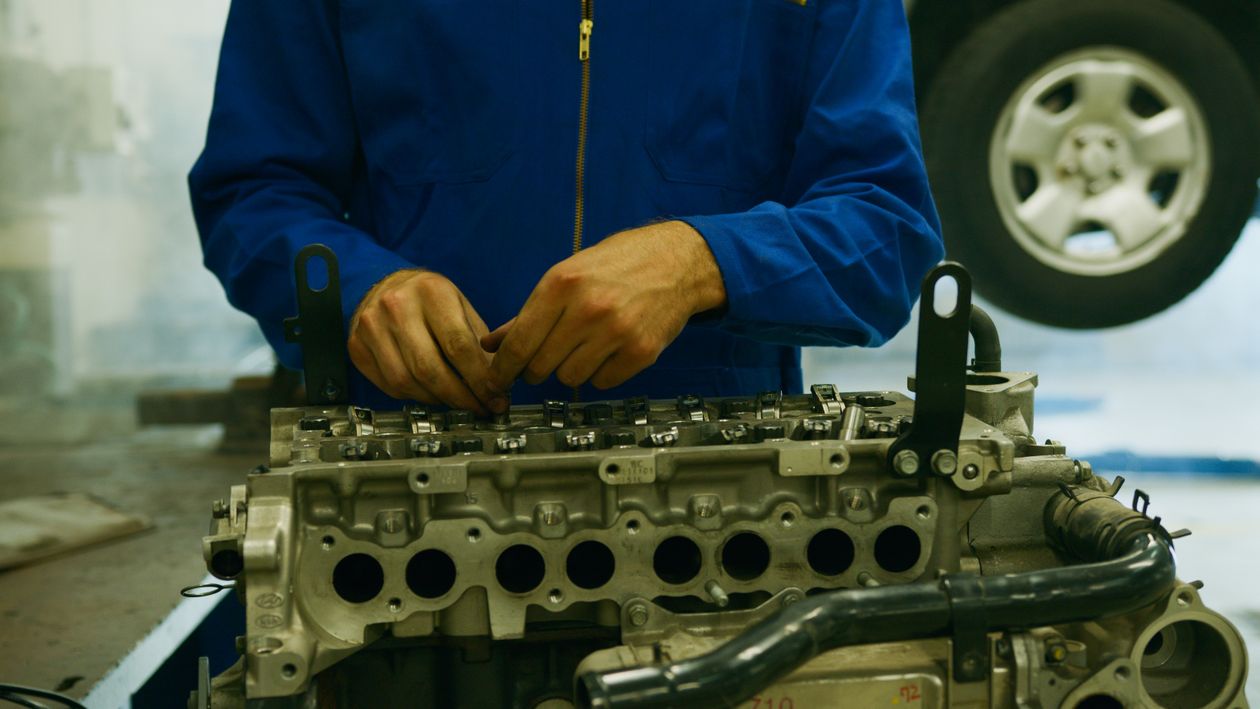
What a code does and does not tell you
Reading the code is the start of diagnosis, not the end. A code names a system or a reading that fell outside its expected range: an oxygen sensor code, for example, can mean a tired sensor, an exhaust leak ahead of it, a wiring problem, or an engine running genuinely rich or lean. Replacing the named part on the strength of the code alone is how people buy three parts and still have the light. A proper diagnosis tests the circuit and the conditions around it.
This is also why context matters. Tell the shop when the light came on, what the car was doing, and whether anything changed: new fuel, recent repairs, a battery replacement. At Coffey Can Fix It and any careful shop, that two-minute account can cut the diagnostic path in half, because many faults only misbehave under specific conditions like a cold start or a long idle.
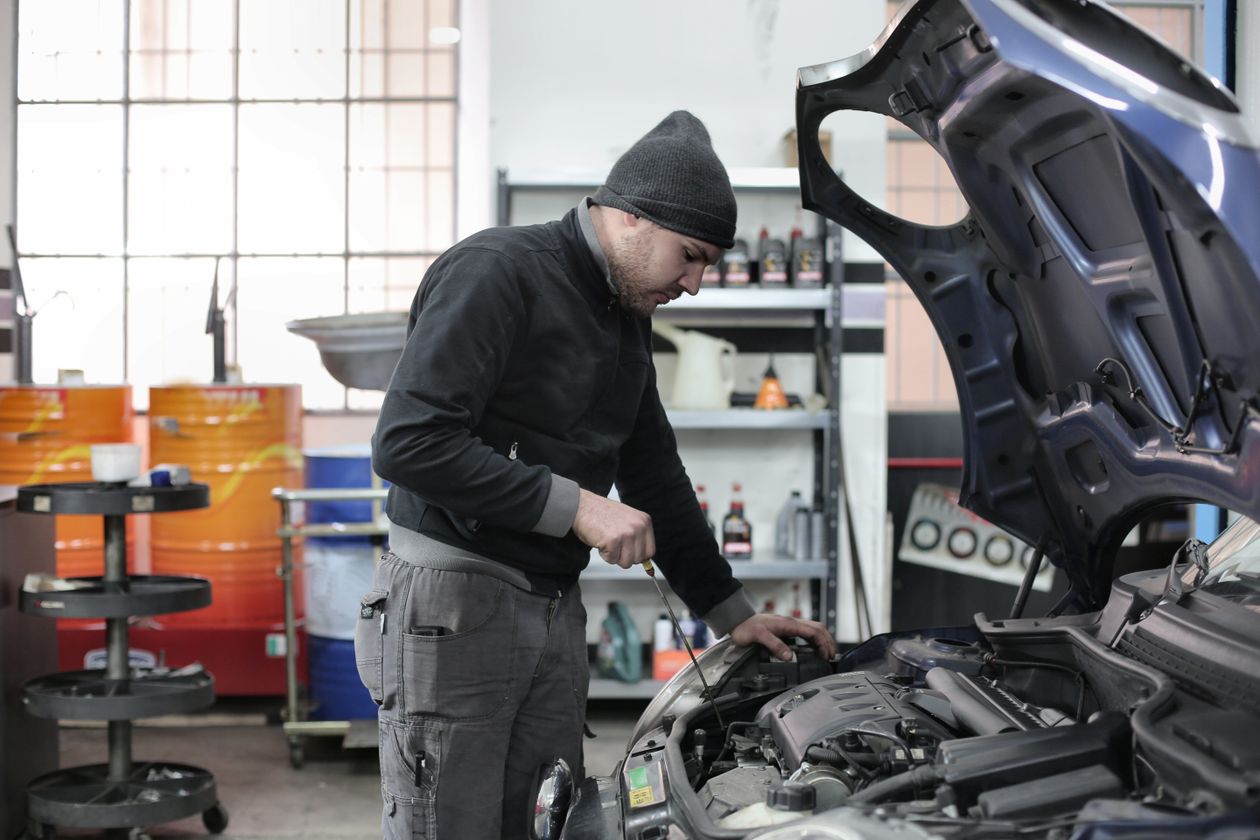
Common questions
Can I keep driving with the light on?
With a steady light and a car that runs normally, yes, for the short term, while you book a diagnosis. A flashing light, rough running, or rising temperature means stop treating it as optional.
Will disconnecting the battery clear the problem?
It clears the light and the stored code, but not the fault. It also erases the diagnostic information a shop needs and resets inspection readiness, so it makes everything slower.
Does a check-engine light always mean an expensive repair?
No. Causes range from a worn gas cap seal to a failing sensor to, at the serious end, converter or engine faults. The code reading is what separates the cheap outcomes from the costly ones.
Photos in this guide are representative stock images.
← All guides from Coffey Can Fix It← Back to Coffey Can Fix It