Brakes rarely fail all at once. They wear a fraction at a time, and because the change is gradual, drivers adjust without noticing until the pedal feels different or a noise starts that was not there last month. Mint Hill driving is hard on brakes in a specific way: Lawyers Road, Independence Boulevard, and the stop-and-go around Matthews are all short trips with constant stops, and short-trip braking wears pads faster than highway miles do.
This guide sorts the warning signs by what they usually mean and how much time you actually have. Some signs mean park it and call a shop. Others mean book an appointment this week instead of this month. Knowing which is which keeps a routine pad replacement from turning into rotors, calipers, and a much bigger repair.
Squeaks, squeals, and grinding
A high-pitched squeal when you brake lightly is often the wear indicator doing its job. Most pads carry a small metal tab that contacts the rotor when the pad gets thin, and it is designed to be annoying early, while there is still pad left. Glazed pads and dust can also squeak, which is why a squeak deserves an inspection rather than an automatic parts order. The inspection is quick: pad thickness can be measured, and a good shop will tell you how much life is left in plain terms.
Grinding is different. Grinding means the friction material is gone and steel is cutting into the rotor. Every mile on grinding brakes damages the rotor further and lengthens stopping distances. If you hear grinding, treat it as a today problem, not a weekend problem. The repair that was pads alone becomes pads and rotors, and on some vehicles calipers suffer heat damage as well.
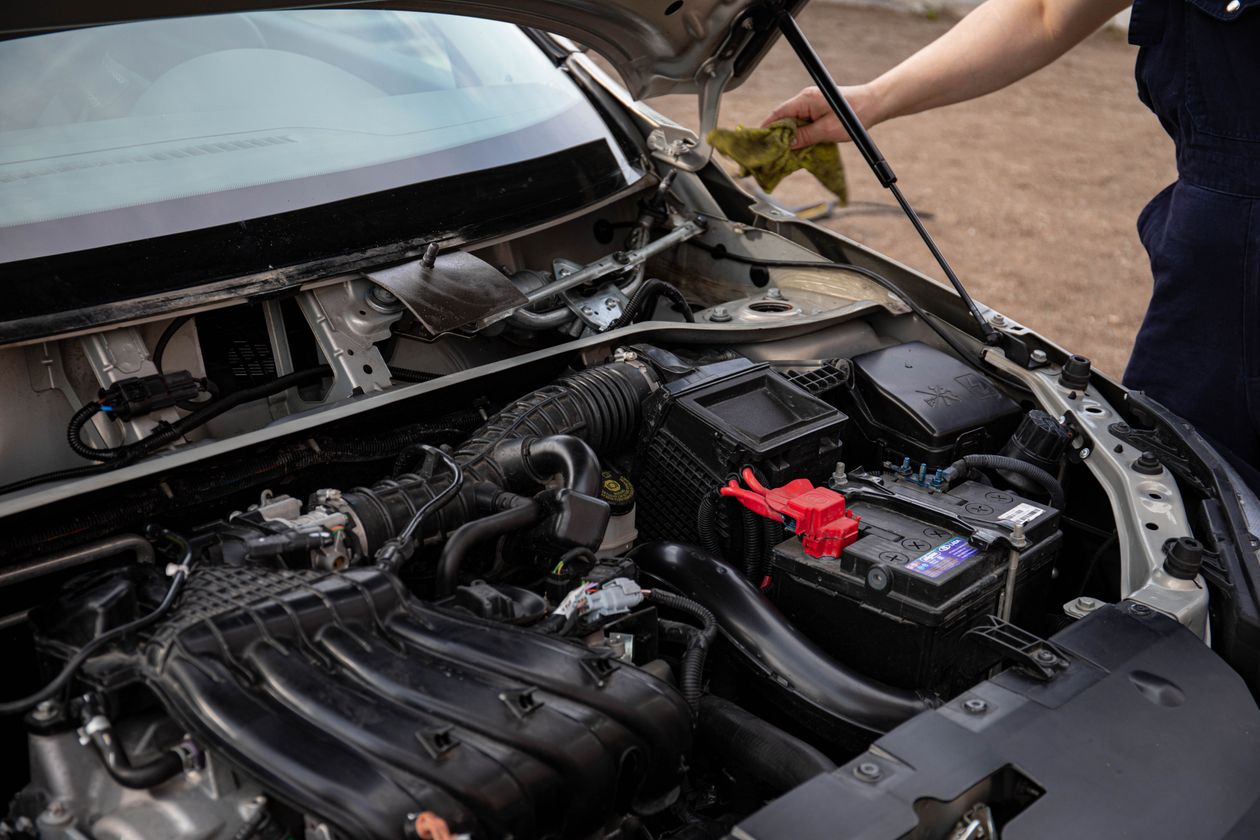
Pedal feel tells a story
A healthy pedal is firm and consistent. A pedal that feels spongy, travels farther than it used to, or slowly sinks while you hold it at a red light is reporting a hydraulic problem: air in the lines, moisture-contaminated fluid, or a leak somewhere in the system. Brake fluid absorbs moisture over time, which is why it is a maintenance item and not a lifetime fill. Contaminated fluid also corrodes the system from the inside.
Vibration through the pedal under braking usually points at the rotors. Rotors worn unevenly, or overheated by long downhill braking or a dragging caliper, develop thickness variation that you feel as a pulse. The steering wheel may shake at the same time. It is not usually an emergency, but braking is measurably worse, and the fix is machining or replacing the rotors along with fresh pads so the new parts wear evenly together.
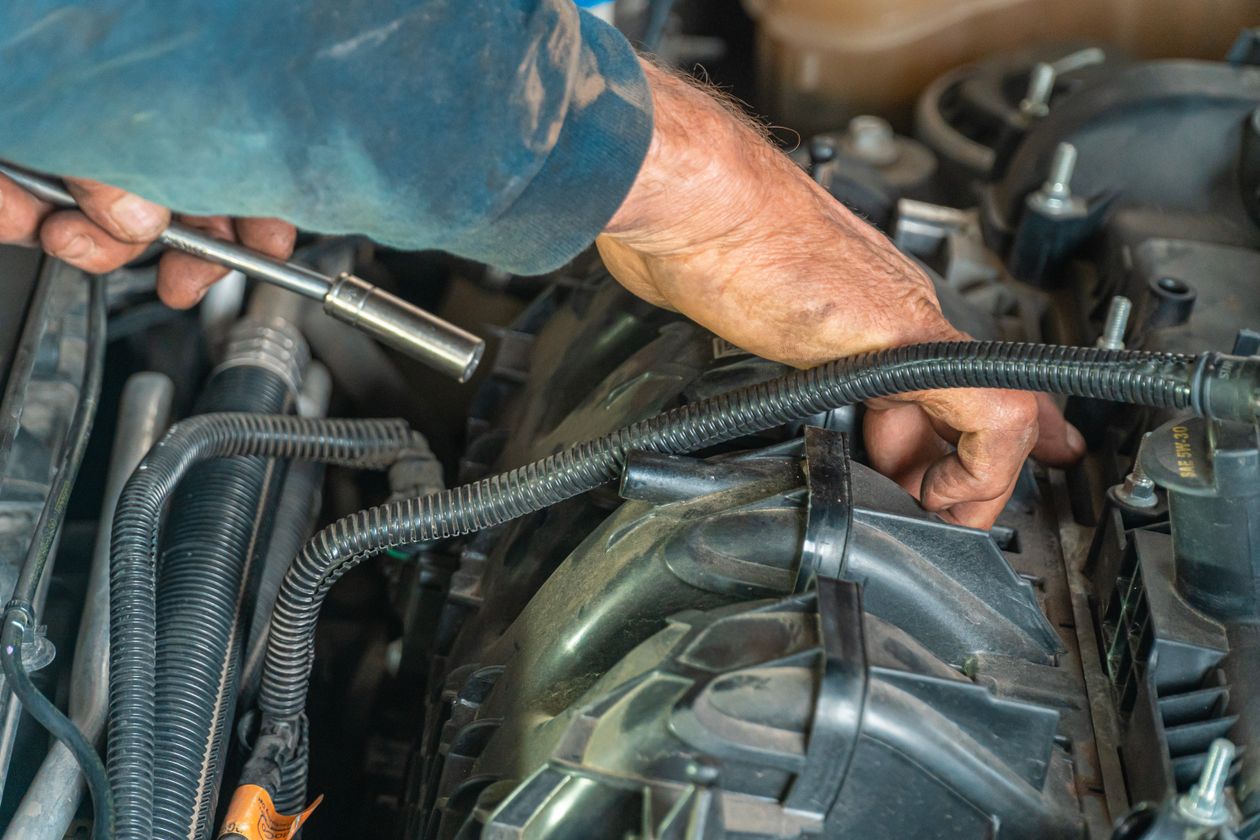
Pulling, smells, and the dashboard light
If the car pulls to one side when you brake, one front brake is working harder than the other. The usual cause is a caliper that is sticking, so its pads stay pressed or fail to squeeze with full force. Left alone, the pads on the hard-working side wear out early, the rotor overheats, and the pull gets stronger. A burning smell after ordinary driving, especially near one wheel, points the same direction and deserves a prompt look.
The red brake warning light is the one dashboard light to treat as a stop sign. It can mean low fluid, which usually means very worn pads or a leak, or a problem with the parking brake circuit. Check the parking brake is fully released; if the light stays on, have the car looked at before driving it further. An amber ABS light is less urgent but still means the anti-lock system has switched itself off.
| What you notice | Likely cause | How urgent |
|---|---|---|
| Squealing when you brake lightly | Wear indicators touching the rotor, or glazed pads | Soon: pads are near the end |
| Grinding noise | Pad material gone, metal on metal | Now: rotors are being damaged |
| Pedal feels soft or sinks | Air or moisture in the fluid, or a hydraulic leak | Now: do not keep driving on it |
| Car pulls to one side | A sticking caliper or uneven pad wear | Soon: wear is getting worse |
| Vibration through the pedal | Rotors worn unevenly or warped by heat | Soon: braking quality is reduced |
Common questions
How long do brake pads usually last?
It varies widely with driving. Stop-and-go town driving can wear a set out in half the miles of steady highway driving, which is why inspections go by measured thickness, not mileage guesses.
Can I just replace the pads and not the rotors?
Sometimes, if the rotors are thick, flat, and smooth. If they are scored, thin, or causing vibration, new pads on bad rotors wear fast and brake poorly, so the pair is usually done together.
My brakes only squeak in the morning. Is that a problem?
Often not. Overnight moisture forms light surface rust on rotors, and the first few stops can squeak until it clears. Squeaking that persists all day is the kind worth checking.
Photos in this guide are representative stock images.
← All guides from Coffey Can Fix It← Back to Coffey Can Fix It